
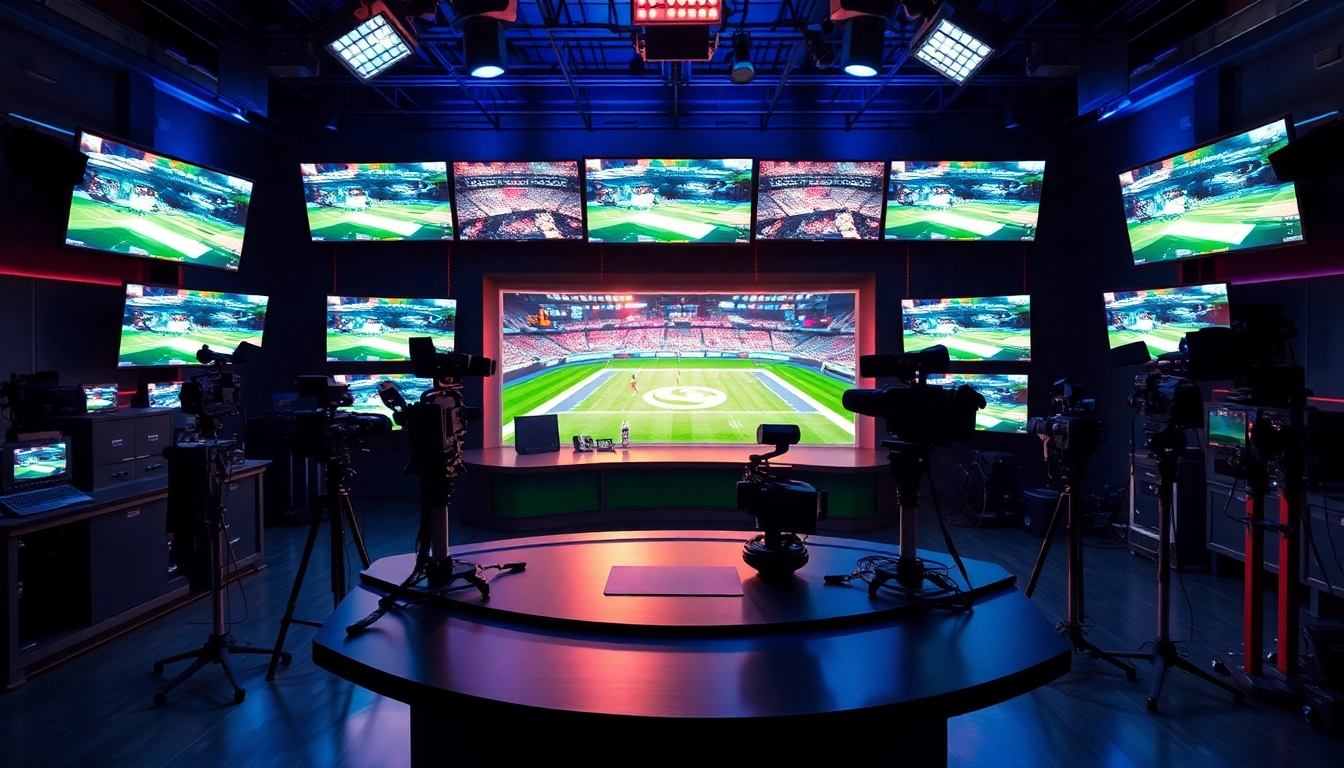
Understanding Sports Broadcasting Essentials
What is Sports Broadcasting?
Sports broadcasting is the practice of disseminating live or recorded sporting events through various media channels, including television, radio, and online platforms. It is a critical avenue for connecting fans with their favorite sports, teams, and players. As the landscape of media consumption changes, the definition and scope of sports broadcasting continues to evolve, incorporating innovative technologies and accessibility options that cater to diverse audiences. This transformation has reshaped how sports are enjoyed, with platforms increasingly integrating interactive experiences. For more insights on this subject, visit Sports Broadcasting.
Key Components of Broadcasts
Understanding the key components of sports broadcasting is fundamental to grasp its full impact and effectiveness. These components include:
- Visual Content: High-quality video footage is the cornerstone of any broadcast, showcasing live action, highlights, and key moments from events.
- Audio Commentary: Expert analysis and play-by-play commentary enrich the viewing experience, offering insights and enhancing the emotional connection with the event.
- Graphics and Analysis: On-screen graphics add context, such as scores and player statistics, providing viewers with crucial information at a glance.
- Advertising: Commercial breaks allow broadcasters to generate revenue while providing viewers with valuable promotions related to the sports world.
The Role of Technology in Sports Broadcasting
Technology is the backbone of modern sports broadcasting, continually advancing to improve the quality and accessibility of broadcasts. Key technological advancements include:
- Live Streaming: Platforms now offer real-time streaming capabilities, enabling fans to watch events from anywhere in the world with internet access.
- High-Definition (HD) Broadcasting: HD technology ensures crisp visuals, enhancing the overall experience for viewers.
- Virtual and Augmented Reality: These technologies allow fans to engage with content in immersive ways, creating new viewing experiences.
- Analytics Software: Advanced data analytics are employed to gauge viewer preferences and performance, enhancing future broadcasts.
Types of Sports Broadcasting Formats
Live vs. Pre-recorded Events
Sports broadcasting can be categorized into live and pre-recorded events, both of which serve distinct audiences. Live broadcasts capture real-time action, often generating intense engagement from viewers who desire to experience the thrill as it unfolds. Conversely, pre-recorded broadcasts allow for editing and polished presentation, providing an opportunity to highlight key moments without the risk of real-time errors.
Radio and Television Broadcasting
Traditional sports broadcasting has its roots in radio and television, where millions of fans tune in for play-by-play commentary, scores, and analysis. While radio offers audio-only coverage, television enriches the experience with visuals. Both mediums play vital roles in broadening the reach and accessibility of sports events, nurturing a dedicated following.
Streaming Services and Online Platforms
The rise of streaming services has revolutionized sports broadcasting by providing flexible viewing options. Platforms such as subscription-based services allow fans to watch games on-demand while often offering exclusive content and interactive experiences. This shift caters to younger audiences who prefer consuming content on their own terms, consequently expanding the sports viewing demographic.
Best Practices for Successful Sports Broadcasting
Creating Engaging Content
To maintain viewer interest, content must be engaging and dynamic. Incorporating various elements such as interviews, behind-the-scenes footage, and interactive segments can keep audiences entertained. Moreover, utilizing storytelling techniques ensures that broadcasts extend beyond mere scores, resonating emotionally with viewers and fostering loyalty.
Building Viewer Relationships
Establishing strong relationships with viewers is vital for broadcast success. This can be achieved through consistent interaction, offering incentives such as contests, and providing platforms for viewer feedback. Engaging with audiences actively fosters a sense of community, encouraging regular viewership.
Leveraging Social Media
Social media serves as an essential tool for promoting broadcasts and engaging with fans. By sharing clips, live updates, and behind-the-scenes content, broadcasters can create buzz and enhance audience involvement. Moreover, utilizing analytics to tailor social media strategies can improve reach and effectiveness.
Measuring Success in Sports Broadcasting
Understanding Key Performance Metrics
To quantify success in sports broadcasting, it is imperative to track key performance metrics. Metrics such as viewership numbers, social media engagement, and audience demographics provide insights into audience behavior. Analyzing these trends helps broadcasters refine content strategies, thereby enhancing viewer satisfaction.
Analyzing Viewer Engagement
Engagement analysis goes beyond simply counting views; it also involves assessing how audiences interact with content. To gauge engagement, broadcasters can evaluate comments, shares, and the duration of viewership. This feedback is invaluable in adjusting future broadcasts to better resonate with the audience.
Feedback and Continuous Improvement
Continuous improvement hinges on feedback received from viewers and analytics. Collecting data through surveys, polls, and social media interactions can expose broadcasting strengths and areas for growth. This feedback loop enables broadcasters to adapt content, ensuring that it evolves with viewer preferences and technological advancements.
Future Trends in Sports Broadcasting
The Impact of Virtual Reality
Virtual reality (VR) is set to transform the sports broadcasting landscape by providing immersive experiences that place viewers in the midst of the action. With VR, fans can enjoy live games as if they were sitting courtside or on the sidelines. This level of interactivity can enhance emotional connections to teams and players, driving greater loyalty.
Emerging Technologies and Innovations
As innovations in technology continue to emerge, they will dictate the future of sports broadcasting. Advanced analytics, interactive platforms, and 360-degree views will enhance the viewer experience significantly. Keeping ahead of these trends will enable broadcasters to remain relevant and appealing to tech-savvy audiences.
Sustainability in Broadcast Practices
Sustainability is becoming increasingly important in all areas, including sports broadcasting. This could involve adopting eco-friendly production methods, reducing waste, and promoting sustainability initiatives during broadcasts. As audiences increasingly favor environmentally conscious practices, broadcasters that prioritize sustainability can improve their public image and attract a broader audience.
Frequently Asked Questions
What is sports broadcasting?
Sports broadcasting refers to the distribution of live or recorded sports events via television, radio, or online platforms.
How do I choose a broadcasting platform?
Consider your target audience, platform reach, and the type of content you plan to deliver when choosing a broadcasting medium.
What technologies are essential for sports broadcasting?
Essential technologies include cameras, audio equipment, graphics software, and live streaming tools.
How can I improve viewer engagement?
Engaging content, interactive elements, and consistent branding help improve viewer engagement in sports broadcasting.
What are the future trends in sports broadcasting?
Future trends include virtual reality experiences, increased interactivity, and sustainable broadcasting practices.